Women's Wellness · Daily Habits
Your Morning Routine Might Be Missing Something as Simple as Gelatin
Before the coffee, before the rush out the door — a lot of women are quietly rethinking one small habit. This is a look at why gelatin keeps coming up in that conversation.
What Changes, Quietly, Over Time
Nobody hands you a manual for this. But a few shifts tend to show up whether you notice them right away or not.
Collagen Production Slows
Your body naturally makes less collagen as the years go by — it's one reason gelatin, a collagen-derived ingredient, gets brought up so often in wellness routines.
Satiety Feels Different
That 'full and satisfied' feeling after a meal doesn't always land the way it used to. Protein quality and timing play a role here.
Lean Mass Shifts
Body composition isn't just about a number on a scale. Lean mass naturally changes with age, activity, and everyday habits.
Traditional Diet Advice Falls Short
Generic calorie-counting rules were mostly built around male physiology. Women's bodies respond to food differently, and the old playbook often misses that.
Metabolism Myths vs. What's Actually True
There’s a lot of noise out there. Let’s clear up a few common mix-ups.
Metabolism is fixed and there’s nothing you can do about it.
Metabolic rate is influenced by muscle mass, activity, sleep, and daily habits — it’s not a switch you’re stuck with.
Eating less is always the answer.
Severely cutting calories can backfire on energy and satiety. Quality and consistency of nutrition matter just as much as quantity.
Protein needs are the same for everyone.
Protein type, source, and amino acid profile matter — and needs can shift with age, activity level, and lifestyle.
A Simple Way to Think About This
No extreme overhaul. Just three ideas worth understanding.
Notice the Everyday Pattern
Start by paying attention to how meals, sleep, and energy actually feel day to day — not how they’re ‘supposed’ to feel.
Learn What Collagen-Rich Habits Look Like
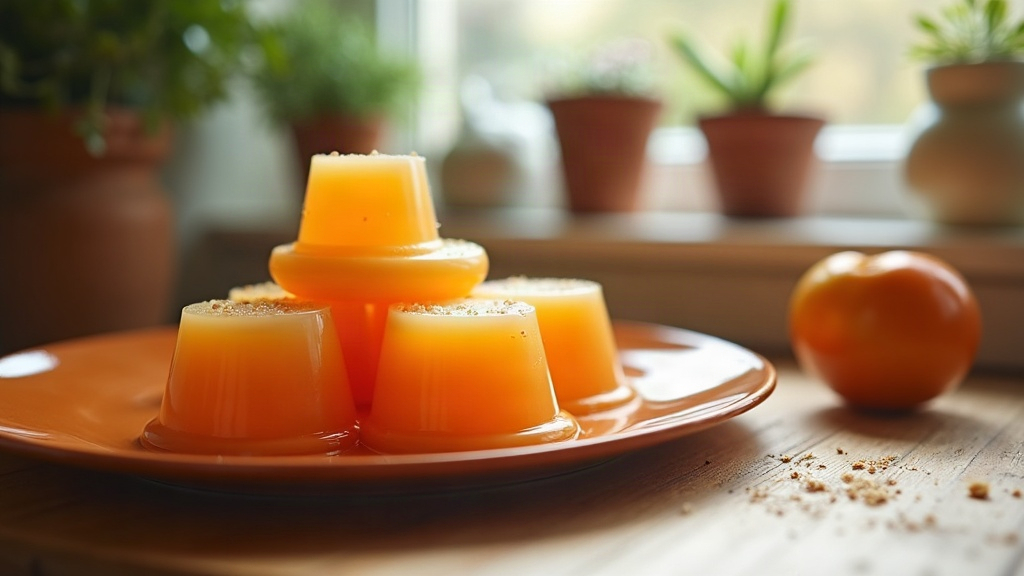
Gelatin is one of the more traditional, food-based ways people have incorporated collagen into daily routines for generations.
Build Consistency, Not Perfection
Small, repeatable habits tend to stick longer than dramatic short-term changes. This is about steady, not sudden.
A Habit Older Than the Trend
Long before wellness aisles existed, grandmothers were simmering bones and connective tissue into rich broths and gelatin desserts. It wasn’t a trend — it was just how kitchens worked. Gelatin, made by breaking down collagen through slow cooking, became a staple in traditional dishes across many cultures precisely because nothing went to waste.
Insight: What’s marketed today as a ‘discovery’ is often just a rediscovery of something kitchens already knew.
Six Everyday Signals Worth Paying Attention To
Hunger That Shows Up Fast
Feeling hungry again shortly after eating can be a signal worth noticing, not ignoring.
Skin Feels Less Resilient
Changes in skin elasticity are commonly linked to collagen levels.
Joints Feel Stiffer
Morning stiffness or achy joints are something many women mention as they get older.
Weight Feels Harder to Understand
The scale doesn't always tell the whole story about what's happening with your body.
Energy Dips Midday
That afternoon slump can be tied to more than just sleep — nutrition plays a part too.
Nails Break More Easily
Brittle nails are often mentioned alongside conversations about protein and collagen intake.
What Some Women Have Shared

These are individual experiences shared for educational purposes only. Individual results may vary, and these testimonials are not a guarantee of any outcome.
Frequently Asked Questions
Hydrolyzed gelatin is gelatin that’s been broken down into smaller components for easier use. It comes from collagen, a protein naturally found in connective tissue.
They’re closely related. Gelatin is derived from collagen through a cooking process, which is why the two are often discussed together.
No. Interest in collagen-related habits comes from women of many different life stages, not one specific age group.
No. This content is educational and meant to complement, not replace, general nutrition and healthy habits.
There’s ongoing research into collagen and connective tissue health. This page doesn’t cite specific studies and is intended for general educational awareness only.
Not at all. Most women describe this as a small addition to what they already do, not a complete overhaul.
We recommend watching the short video linked on this page and speaking with a healthcare professional about what’s right for you.
Curious How This Fits Into a Daily Routine?
Watch the short video to see how gelatin habits are being discussed by women rethinking their everyday wellness approach.
Advertising Disclosure: This page contains sponsored content and affiliate links. We may receive compensation if you click a link or make a purchase through links on this page. This helps support the content we create.
Content Disclaimer: This content is for educational purposes only and has not been evaluated by the FDA. It is not intended to diagnose, treat, cure, or prevent any disease. Always consult a qualified healthcare professional before making changes to your diet, supplement routine, or lifestyle.
Results Disclaimer: Individual results may vary. Testimonials and experiences shared on this page reflect personal opinions and are not a guarantee of any specific outcome for any individual.
© 2026 · All Rights Reserved · carlveronwork.com · /contact/